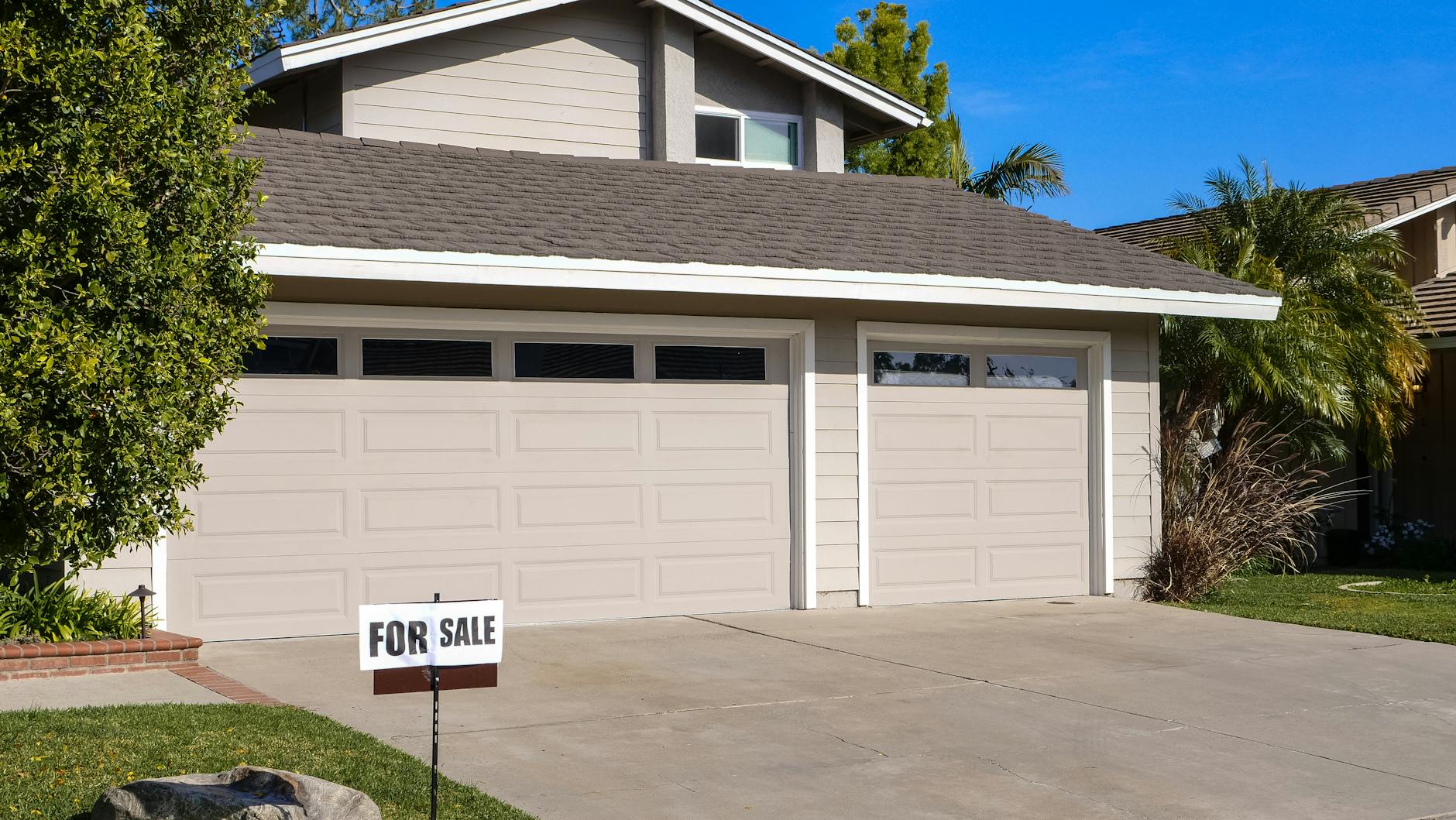
South Africa Real Estate Trends 2026: In-Depth Analysis of Price Evolution, Rental Yields & Emerging Hotspots in Cape Town, Johannesburg & Durban
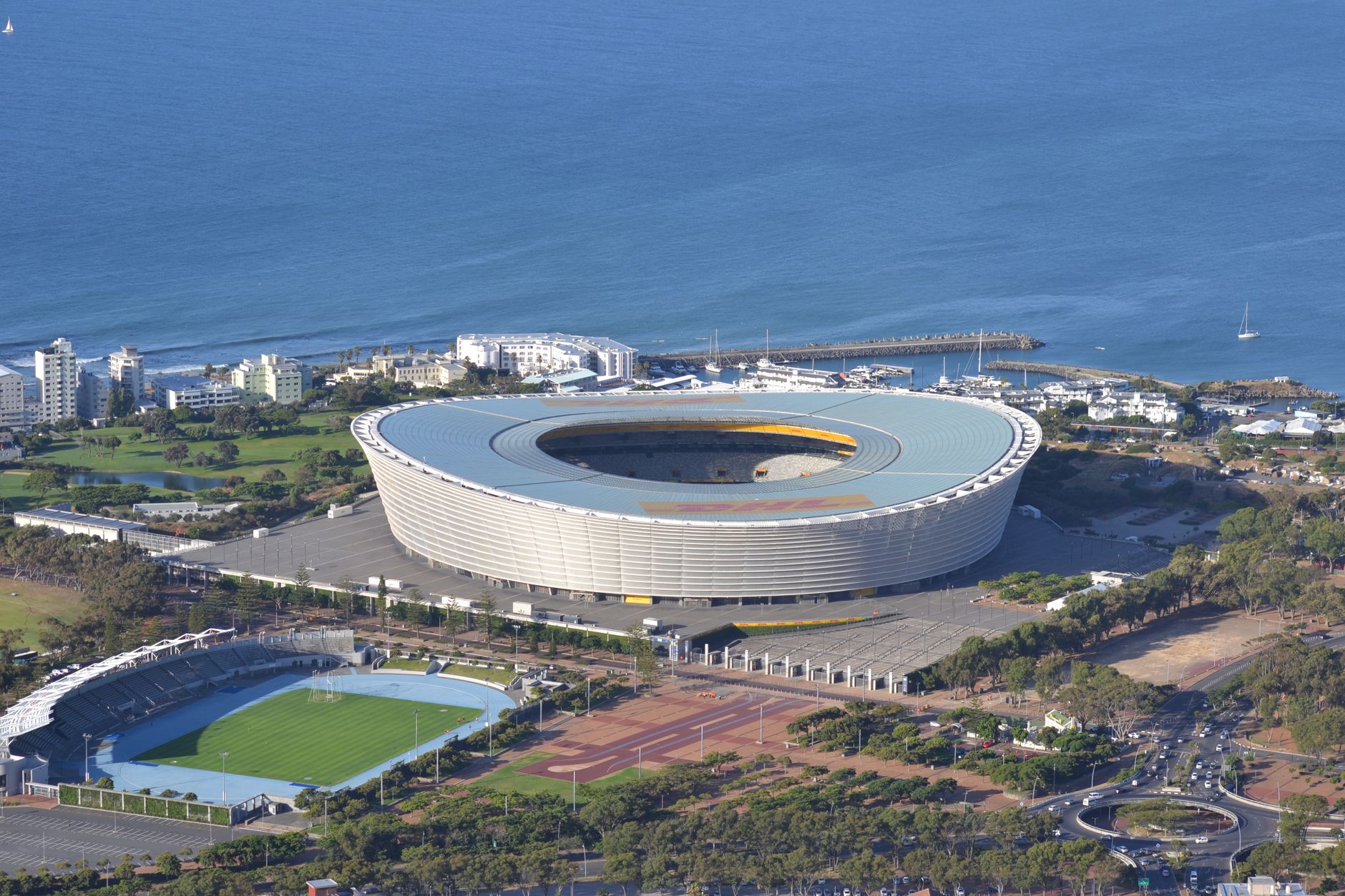
South Africa Real Estate Trends 2026: Price Evolution, Rental Yields & Emerging Hotspots in Cape Town, Johannesburg & Durban
"Is 2026 the year to buy, hold or reposition your South African property portfolio?" My name is Nathan Fumal, I am the CEO of KiliCasa, and in this article I cover South Africa real estate trends 2026 — how prices have evolved, where rental yields are strongest, and which suburbs and micro-markets in Cape Town, Johannesburg and Durban are emerging as investment hotspots. This matters because macroeconomic shifts, municipal performance, and post-pandemic demand patterns are reshaping where local and international capital achieves the best risk-adjusted returns.
Market snapshot: What shaped 2026
Heading into 2026 South African property markets show differentiated recovery and growth. Interest rates have stabilised after a multi-year tightening cycle; inflation has moderated from earlier peaks; and municipal service delivery remains a decisive local factor. Nationally, transaction volumes remain below pre-2018 peaks but average prices have tightened in high-demand urban nodes while suburban and township markets see selective growth. Data from FNB, Lightstone and large bond originators indicate price growth of 3–8% year-on-year in prime coastal and Sandton-type nodes, while secondary areas experienced flat to slight declines.
Macro drivers you must watch
- Interest rate path: mortgage affordability directly affects demand — small cuts in repo by the SARB would increase effective demand for buyers who are rate-sensitive.
- Municipal service delivery & load-shedding: neighbourhoods with reliable electricity and water outperform peers.
- Exchange rate & foreign demand: a weaker ZAR continues to attract offshore buyers from Europe and the UK into Cape Town and the Western Cape.
- Credit availability: banks' lending policies (bond approval rates) and deposit requirements determine transactional velocity.
Price evolution in 2026 — by city
Cape Town: constrained supply — premium pockets continue to outperform
Cape Town remains the most polarised market. High-end suburbs (Constantia, Clifton, Camps Bay, Sea Point) experienced price growth of 6–10% in 2025–2026 as wealthy domestic and international buyers sought lifestyle and security. Mid-market areas closer to the CBD (Gardens, Tamboerskloof) saw modest growth 3–5%. Entry-level 1-bed apartments in suburban Cape Town trade roughly R 1,200,000 (~USD 63,600) to R 2,200,000 (~USD 116,600) depending on location and sectional title levies. The constrained land supply, coupled with strong demand for suburban living and remote-work friendly properties, supports further selective appreciation.
Johannesburg: volume market with pockets of yield
Johannesburg's property market is driven by employment hubs and rental demand. Sandton, Rosebank and Melrose Arch are stabilising with moderate price growth (3–6%), supported by commercial upgrades and new mixed-use developments. Outer nodes and older suburbs can offer higher gross rental yields — for example, certain rental apartments around Braamfontein and Newtown can yield 6–8% gross, while prime Sandton stock often yields 3–5% but benefits from capital appreciation. Expect mid-to-upper-market houses in growing nodes to trade between R 2,800,000 (~USD 148,400) and R 6,500,000 (~USD 344,500) for 3-bed family homes.
Durban: affordability and coastal appeal
Durban delivers affordability relative to Cape Town and Johannesburg, with renewed investor interest in beachfront and lifestyle suburbs (Umhlanga, La Lucia, Morningside). Price growth is measured (2–6%), but rental yields can be attractive in the right micro-locations. Small 2-bed apartments in Umhlanga can trade R 1,800,000 (~USD 95,400) to R 3,500,000 (~USD 185,500), with gross yields often 5–7% depending on rental demand and seasonal tourism performance.
Rental yields and cashflow expectations for 2026
Rental yields remain the key near-term metric for investors focused on cashflow. Across SA, gross yields vary widely:
- Prime coastal (Cape Town high-end): 2.5–4% gross — strong capital growth compensates for lower yields.
- Urban rental hubs (Johannesburg student & young-professional districts): 5–8% gross — higher churn but active leasing markets.
- Durban & secondary coastal towns: 4–7% gross — seasonal variability matters.
- Township and emerging affordable markets: 7%+ gross in selected formal rental stock, but management and collection risk are higher.
Net yields after levies, rates, bond repayment, maintenance and agent fees can be 30–50% lower than gross figures. Always model conservative vacancy (6–12%) and maintenance buffers (1–2% of property value annually for older properties).
Emerging hotspots 2026 — where to look
Cape Town: northwards and satellite nodes
Look beyond the Atlantic seaboard. Areas like Durbanville, Bellville and Stellenbosch satellite suburbs are gaining momentum as remote work and family-friendly amenities push buyers northwards. These nodes benefit from lower entry prices (R 1.1M–R 3.5M ranges for family homes) and improved infrastructure projects connecting them to the city, offering balanced yield and capital growth potential.
Johannesburg: transit corridors and regeneration pockets
Investment is focused along transit-oriented corridors — key examples: Sandton–Rosebank corridors, the emergence of Alexandra Renewal (select pockets), and the continued densification around transport nodes such as Park Station & Newtown precinct. Smaller, secure sectional title apartments near universities (Braamfontein, Auckland Park) remain high-yield options for buy-to-let investors.
Durban: Umhlanga edge and port-adjacent redevelopment
Umhlanga continues to attract both domestic buyers and holiday rentals, while redevelopment activity around the Durban port and access upgrades is creating secondary gains. For investors, look for mid-rise apartment opportunities near transport nodes and mixed-use precincts.
Risks and headwinds investors must manage
Investing in 2026 requires managing both macro and hyperlocal risks:
- Municipal governance and service delivery: poor water, sanitation or electricity can erode rents and values rapidly.
- Regulatory and compliance risk: ensure FICA and POPIA-compliant tenant onboarding; understand municipal rates and tax changes.
- Currency volatility: offshore buyers gain when the rand weakens — hedge strategies may be needed for foreign investors.
- Interest rate shocks: even stabilised rates can re-tighten if inflation surprises.
- Oversupply in sectional title developments: focus on occupancy and developer track record to avoid poorly absorbed stock.
Practical investment strategies for 2026
Whether you are a first-time buyer or a portfolio manager, these strategies are pragmatic.
1. Match strategy to market
Capital-growth investors should prioritise constrained-supply premium nodes (Cape Town Atlantic Seaboard, Constantia). Yield investors should target inner-city rental hubs in Johannesburg or seasonal coastal properties in Durban.
2. Do micro-market due diligence
Assess local services, security, levy history (for sectional title), planned municipal projects, and historical vacancy rates. Visit at different times and talk to local agents and body corporates.
3. Stress-test finances
Model for 200–300 bps higher interest, 10% vacancy, and 15–20% unexpected capex for older properties. Have at least three months' reserves beyond bond instalments for buy-to-let properties.
4. Use professional property management
High-quality landlords use professional management to reduce vacancy, improve tenant screening (FICA-compliant) and optimise maintenance costs — critical in markets with high churn.
Actionable tips and key strategies
- Prioritise areas with reliable Eskom alternatives or municipal energy plans — fewer power outages = higher tenant retention.
- For foreign investors: factor in transfer costs, transfer duty thresholds, bond initiation fees and the effect of exchange rate on returns.
- Negotiate levy and rates escalations when buying sectional title stock; request 3–5 years of body corporate minutes and financials.
- Use rental forecasting tools and local market comparables rather than city-wide averages.
- Consider hybrid strategies: buy a value-add property to renovate and reposition for higher rental yield in 12–24 months.
Role of KiliCasa
At KiliCasa we help investors and homebuyers navigate these trends with proprietary matching algorithms and simplified administrative workflows. Our platform centralises verified listings, historical price comparables and landlord/tenant admin tools to reduce friction in transactions and property management. We guide clients through OTPs, FICA document preparation and connect them to vetted conveyancers and professional property managers — lowering time-to-rent and improving decision confidence.
Conclusion
South Africa real estate trends 2026 show a market of contrasts: strong capital appreciation in constrained, high-demand nodes; attractive gross yields in student and inner-city rental markets; and measured opportunities in coastal Durban and satellite Cape Town towns. Success in 2026 depends less on blanket market calls and more on micro-market intelligence, disciplined financial stress-testing, and professional management. For international investors, currency dynamics and municipal performance are decisive; for local buyers, affordability and service delivery shape long-term outcomes. Use data, inspect the micro-location carefully, and align your strategy to whether you prioritise yield or capital growth.
KiliCasa, because everyone deserves a place.
Frequently Asked Questions
1. Are property prices still rising in South Africa in 2026?
Yes, but growth is uneven. Prime nodes (Cape Town prime suburbs, Sandton) show moderate to strong growth (3–10% y/y), while many secondary areas are flat or seeing modest increases. Focus on micro-market drivers such as supply constraints and municipal services.
2. Which city offers the best rental yields in 2026?
Inner-city rental hubs in Johannesburg (student and young-professional districts) typically offer the highest gross rental yields (5–8%). Durban's seasonal coastal markets and selected township-adjacent formal rental stock can also deliver strong yields, but management risk varies.
3. How should foreign investors approach the market?
Foreign investors should model exchange-rate effects, understand transfer duty and conveyancing costs, and choose secure suburbs with clear title and strong property management. Consider appointing a local tax advisor for rental income and capital gains tax implications.
4. What due diligence is essential before buying sectional title property?
Request 3–5 years of body corporate financials, levy increases history, outstanding maintenance projects, the minutes of AGMs, and FICA-compliant seller documentation. Check for special levies and sinking fund adequacy.
5. How does KiliCasa help investors navigating 2026 trends?
KiliCasa provides verified listings, price comparables, tenant and landlord administrative tools, and connections to vetted property managers and conveyancers — speeding up transactions and improving portfolio performance through better matching and reduced admin friction.
Discover KiliCasa, your real estate partner in South Africa
Photo by Tiki Black on Pexels